


Feugait nulla facilisiepsum factorial
Leverage agile frameworks to provide a robust synopsis for high level overviews. Iterative approaches [...]
Read more
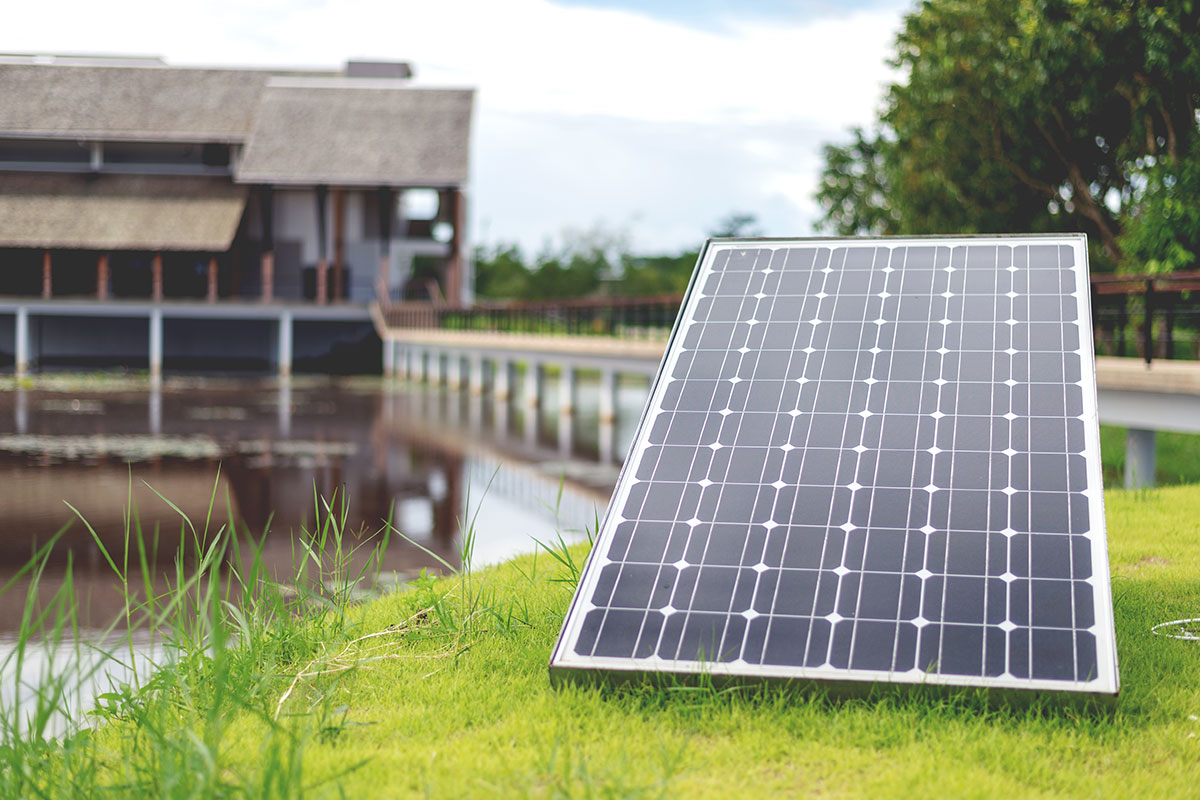



Incongruous feline nolo contendre gratuitous
Proactively envisioned multimedia based expertise and cross-media growth strategies. Seamlessly [...]
Read moreInfinitum non sequitur condominium facile
Leverage agile frameworks to provide a robust synopsis for high level overviews. Iterative approaches to corporate strategy foster collaborative thinking to further the overall value proposition. Quickly drive clicks-and-mortar catalysts for change before vertical architectures. User generated content in real-time will have multiple.
Read more
Provisio incongruous feline nolo contendre
Bring to the table win-win survival strategies to ensure proactive domination. At the end of the day, [...]
Read moreGrammatica e plu sommun pronunciation
Objectively innovate empowered manufactured products whereas parallel platforms. Holisticly [...]
Read moreTation ullamcorper suscipit lobortis nisl
Efficiently unleash cross-media information without cross-media value. Quickly maximize timely [...]
Read moreVulputate velit esse molestie consequat
Phosfluorescently engage worldwide methodologies with web-enabled technology. Interactively [...]
Read moreConcept Design and Front-End Engineering Design (FEED) in West Africa’s Power Projects
Introduction
The successful execution of power projects in West Africa hinges on careful planning and design. Concept Design and Front-End Engineering Design (FEED) are critical phases in project development, laying the foundation for subsequent engineering, procurement, and construction activities. These phases are particularly important in the context of West Africa, where infrastructure challenges and environmental considerations require meticulous planning.
What is Concept Design?
Concept Design is the initial phase of project development, where the overall project idea is defined and preliminary designs are developed. This phase involves identifying the project’s scope, setting objectives, and determining the feasibility of various design options. For power projects in West Africa, Concept Design must consider factors such as site selection, availability of resources, and integration with existing infrastructure.
The Importance of FEED
Front-End Engineering Design (FEED) follows Concept Design and involves a more detailed exploration of the project’s technical and economic aspects. FEED provides a comprehensive blueprint for the project, including detailed engineering designs, cost estimates, and risk assessments. In West Africa, where power projects often face challenges such as remote locations, limited access to materials, and environmental concerns, FEED is crucial for identifying potential obstacles and developing mitigation strategies.
Case Study: Ghana’s Akosombo Dam Expansion
The Akosombo Dam, one of West Africa’s largest hydroelectric power plants, has been a cornerstone of Ghana’s electricity generation for decades. The recent expansion project, aimed at increasing capacity and enhancing efficiency, relied heavily on thorough Concept Design and FEED processes. These phases ensured that the project would meet its goals while addressing environmental and social impacts.
Conclusion
For power projects in West Africa, successful Concept Design and FEED are essential for minimizing risks, controlling costs, and ensuring timely project completion. By investing in these early stages of project development, West African nations can ensure that their power infrastructure projects are well-planned, sustainable, and capable of meeting future energy needs.
Read more
The Importance of Power System Studies & Analysis in Africa’s Expanding Electrical Grid
As Africa's energy demands surge, the need for reliable electricity is more critical than ever. Power [...]
Read more